Embassytown and the Grammar of Empire
It was all worth it. Not that reading Miéville was ever a chore, on the contrary, it has been at the very least fun and enjoyable, and more often than not horizon-expanding. Perdido was great, dark, its creatures, world, races, awe-inspiring, but never quite gripped me, nothing like The Scar, a grand adventure that had me fully immersed in its Armada. Iron Council, while more politically developed, seemed halfway through Perdido‘s grime and Armada‘s freedom, but never achieving its own identity. But in a good way, if that makes sense. Kraken was cute, not exactly my thing, but again, a welcome experience. King Rat was a great first glimpse into that singular mind. The City & the City had too much hype to answer to, yet it performed rather well, its concept embedding itself deep into my mind. Concept was what had been missing from the rest, great adventures with precise execution as they may have been, yet an ever-elusive underlying meat that couldn‘t quite transcend into the category of great works of art.
That I found, unsuspectingly, in Embassytown. Probably because I expected little of it, was simply yearning for more Miéville, but had read little about its rather lackluster reviews, both quantitatively or qualitatively. And its concept wowed me. Somehting I hadn‘t felt since Ted Chiang (apologies to the other concepts I have erased with this utterance), even though the difference of medium between Miéville‘s novels and Chiang‘s short stories comes with its ease and challenges both.
Or, more aptly, since reading Ursula Le Guin. Not so much my favourite work of hers, The Disposessed, but rather two other contenders for that title: The Lathe of Heaven and the Left Hand of Darkness. Both incredible concepts, and flawless, concise execution.
Embassytown is flawed, and that makes it all the more charming in my eyes. As Le Guin said herself ‚it‘s a joy to find this young author coming into his own‘, and that is exactly how I feel, precisely why I am so grateful to have read Miéville‘s oeuvre in that unique order. I have read this man come into his own (or at least the shortcut, reading the polished, extremely sanitized, published version of his writings), and what a joy to see a mind blossom like his. It makes me yearn to read Railsea (published one year after Embassytown), before The Rouse will be delivered to me in about two weeks, but I will stay off Miéville before embarking on that 1300 pages journey soon.
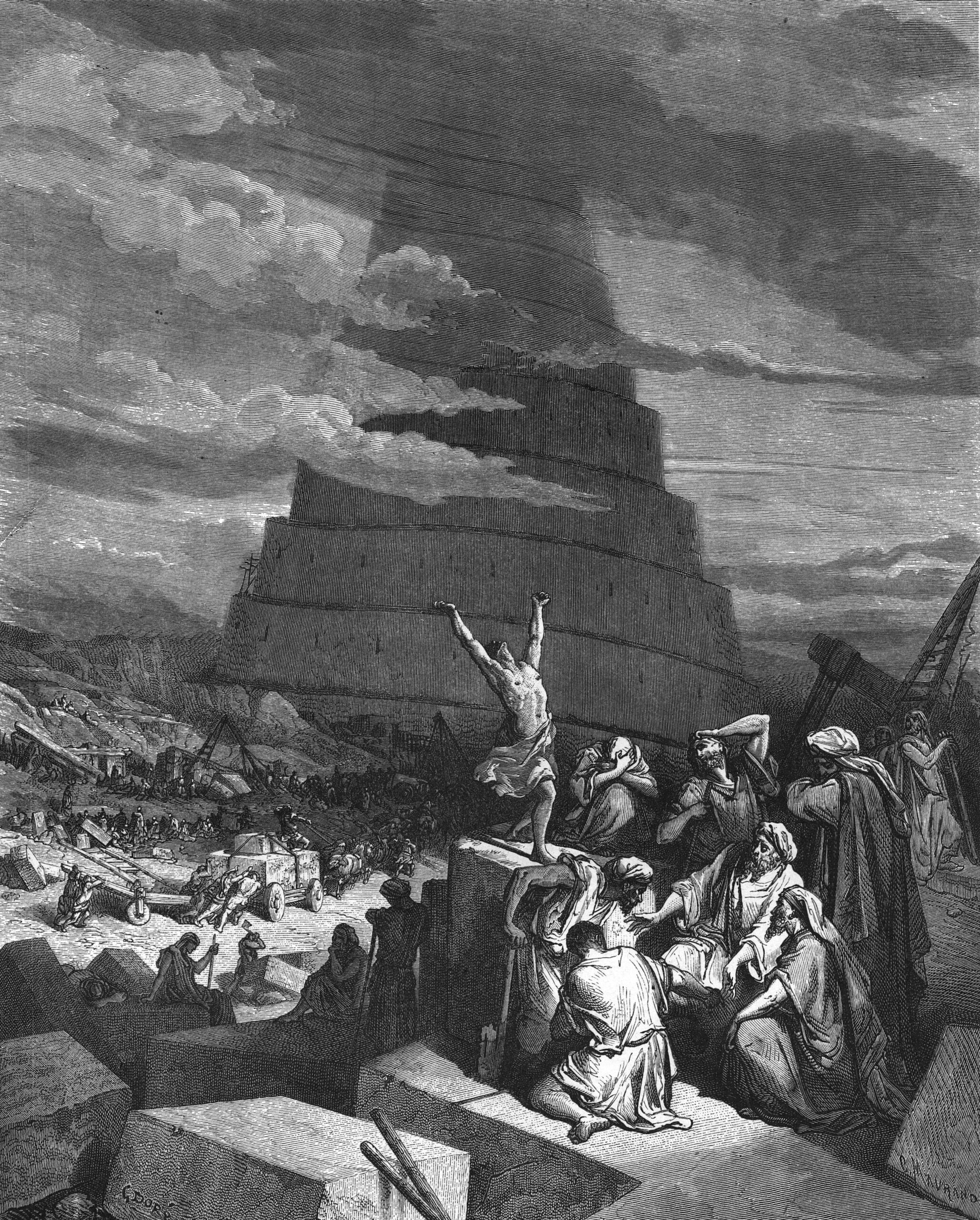
Embassytown is about language, how it shapes worldview and ethos, and how to overcome those limitations. It is about colonization, exploitation, revolution, realistic emancipation, and a rather bleak outlook on all these forces. It‘s about clashes between the Old and New, the destruction that has to come with it. And so much more.
This is why science fiction ought to be regarded just as highly as any literary category. When it hits, it reaches heights otherwise hardly accessible. Embassytown is no Moby-Dick or Ulysses, it is its own beast, a singular attempt at nudging readers towards a deeper understanding on the foundations of their reality. And to do it without demanding a thorough list of necessary pre-reading is a feat of concision that ought to command far more respect than it does.
Cannot wait for his next behemoth of a novel, to see more meandering corners of Miéville’s unique mind.